Showing posts with label travel. Show all posts

Monday, November 1, 2010

Portland Rose Festival Grand Parade float design excursion

BYU IDAHO floral students and faculty get to play before the parade!


In June, for the past three years, BYU Idaho Floral Design students and faculty have travelled to Portland, Oregon, to help do the floral design work on floats for the Grand Floral Parade. It has been a great place to practice the training students receive, and we have been able to perform quite a service as specialized volunteers for the event. If there were no volunteers in Portland, there would be no parade. As it is, there is a small army of help that shows up. This year most of them were Mormon missionaries serving in the Portland Oregon area on a full-time 18 month or two year volunteer mission for the Church of Jesus Christ of Latter Day Saints. There were dozens who showed up to help glue, pin, paint, stick, cut...
There are many other loyal volunteers from the greater Portland community who likewise give time to help make the event beautiful.

One of the rules about the parade floats is that all surfaces must be covered with plant materials. This requires some pretty detailed and creative use of seeds, bark, leaves, fruits--in fact just about anything that has the right texture or color ends up on a float.


These volunteers are covering the letters and surface of a sign with seeds. This sign alone took hours to complete.


Volunteers are detailing these signs for a float supporting the local Hispanic community


¿ What do poppy seeds and popcorn have in common...
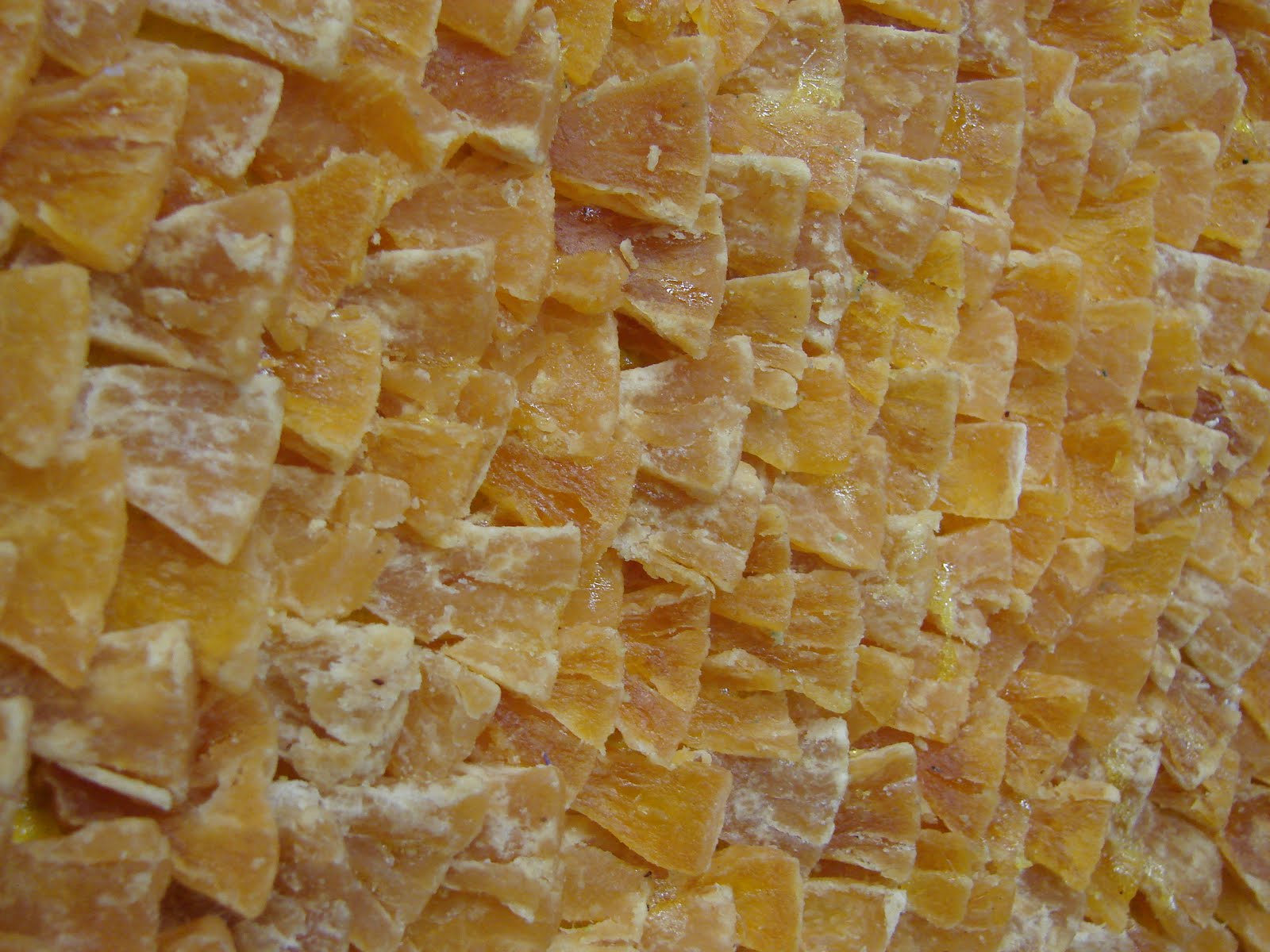

with dried pineapple...


and candied mango?


Can you see where they were used? Notice the belly covered with ground dried red peppers.

Many of the volunteer time is spent on scaffolds, here several missionaries are covering leaves.


Volunteers pin fir branch tips onto a foam base. You can see the square container caged and ready to accept flowers in the left center of the photo.

And here is the same float nearly complete.


The dragon is spectacular already,


but look how much a few flowers can add.

These boots are made for walking, but the rose parade calls for ROSES!


and then a little more of the patriotic mix of colors.

Many flowers are placed in water pics to help them last and stay securely on the float.


Here they will give an illusion of waves of water.

This one is almost ready for the judges.


Every stem that is inserted in a cage on a float has to be glued in place, as well as inserted in floral foam. No that is not honey!


Here we are after days of work, we take a quick walk before the parade begins, after the floats have been driven a few miles over the freeway (we have to design for the wind), then we jump in the car and drive more than a dozen hours to get back home to Rexburg that night.


Thanks to the 2010 BYUI design crew, ready to head out.
We also send a team to the Pasadena Rose Parade to help with some of the much larger floats there. That will have to wait for another post...
...and, by the way, the floats we worked on won the top honors two years in a row!!!


Tuesday, February 19, 2008

Ruins


Ben, standing in front of main temple in Tulum, Quintana Roo, México
Travel is so exciting. I love to see ruins. I observe so many plants and flowers around them too. Once I was strolling through Tikal, in Guatemala, the morning after a violent thunder storm. Bromeliads littered the path, having been blown or washed out of the estuaries above. Tillandsia, Bilbergia, countless others, bright as birds, were scattered as if faeries had sprinkled them in anticipation of our arrival. Now, when I place an exotic bloom in a floral design, I think of where that bloom grows in the wild, or where it is being cultivated for harvest.


These two fotos are taken in the Jamaica flower market in México City. The palms above are Chamaedorea, referred to as "Camedor" by the growers in Veracrus, México.
The foto below shows how this palm is used by florists in México for sympathy and special occasion, often very large designs. Note the intricate structure of one of these displays on the backside to the left.


In the foto below, note the bunches of roses crammed into the back of a pickup truck. The care and handling of plant materials in the market is not state of the art, but the volume, variety, and price were delightful.

I notice a trend toward more unusual greens and flowers during the past few years, and have since traveled through the jungles to see where these things originate. There is a concern in some parts of the world that plants over-harvested will disappear. There is evidence of that in parts of Guatemala. The Mayan word for the highly desired chamaedorea species is "xáte." There are "xatéros," people who harvest, gather, and export the precious palms to the floral wholesalers. In México it is referred to as "Camedor." On the dutch flower market in Aalsmeer it shows up as "pico leaves," or "Cocus nucifera," In the US, many florists have referred to it as "emerald" for years. It also shows up with other names, like "jade." Rare tropical blooms like the Bromeliads I just mentioned above can be found in some of the local markets throughout Latin America. I saw bundles of them in the Jamaica market in México City--for pennies. I wondered just how many of those would be harder to find after such a thorough harvest. I spoke with people as I traveled there in 2006 about controlling that harvest. If people could come to understand that there is plenty out there, especially when they learn to cultivate these plants, and harvest them with the idea of leaving some for future growth, many more generations will be able to enjoy such things.

Developing countries are aptly named, as much is happening to improve the lives of the citizens and more commodities are made available by international mass-marketers. Yet the rapid nature of this change demands products. Our floral tastes are equally insatiable, and world demand for the unusual is pushing some areas into the limits of product availability. The industries seeking plant materials in these regions, well, in any regions of the world, should be very responsible, avoiding over-harvest, and promoting long-term development of these lovely things. It is the responsibility of the consumer to find out where they come from too. We might think more carefully about purchases if we were more conscious of origin.

above, Ben in La Venta, near Villahermosa, México


Ben atop the pyramid of the Moon, looking over the shoulder to the pyramid of the Sun, Teotihuácan, México


Ben, with son Anthony in front of Xunántunich, Belize


in front of the castle Tsaravetz, near Veliko Turnovo, Bulgaria, Eastern Europe